Durable Structures Built From Traditional Materials
Brick, Stone & Block Masonry in Newport for walls, columns, outdoor structures, and architectural features requiring lasting craftsmanship
Masonry construction using cinder block, natural stone, and traditional brick creates structures that withstand weather, support loads, and maintain appearance far longer than materials that rot, warp, or corrode. Out Of The Blue Concrete LLC builds structural walls, decorative columns, entry features, outdoor structures, and completes masonry repairs across residential and commercial properties throughout Newport and the Lakeway Area, matching material selection to architectural style and functional requirements. Properly laid masonry endures for generations when joints remain intact and water drains away from the structure.
The construction process involves preparing a stable foundation or footing, laying units in running bond or other patterns with consistent mortar joints, and ensuring plumb alignment as courses stack vertically. Material choice affects both appearance and performance—cinder block provides economical structural strength for foundation walls and utility buildings, natural stone offers irregular texture for landscape features and facades, and brick delivers classic appearance for residential and commercial construction. Mortar formulation must match the masonry unit to ensure similar expansion rates during temperature changes.
Discuss custom masonry project goals to explore material options and structural possibilities for your property.
The Difference Between Structural and Decorative Masonry
Structural masonry supports loads and encloses spaces, requiring reinforcement in the form of rebar placed vertically through block cores or embedded in thick walls, while decorative masonry prioritizes visual appeal using stone veneer, brick patterns, or sculpted block arrangements. Both applications demand precise mortar work because joints that crack or erode allow water penetration that freezes, expands, and damages surrounding units over winter months common in East Tennessee.
Completed masonry structures feel solid when you push against them, show no movement or flexing under load, and display consistent joint widths and alignment that indicate careful craftsmanship. Stone features develop character as they weather, brick maintains uniform color across the entire installation, and block walls remain plumb and crack-free through seasonal temperature swings. Repairs involve removing damaged units, cleaning surrounding masonry, and repointing joints with fresh mortar matched to the original mix.
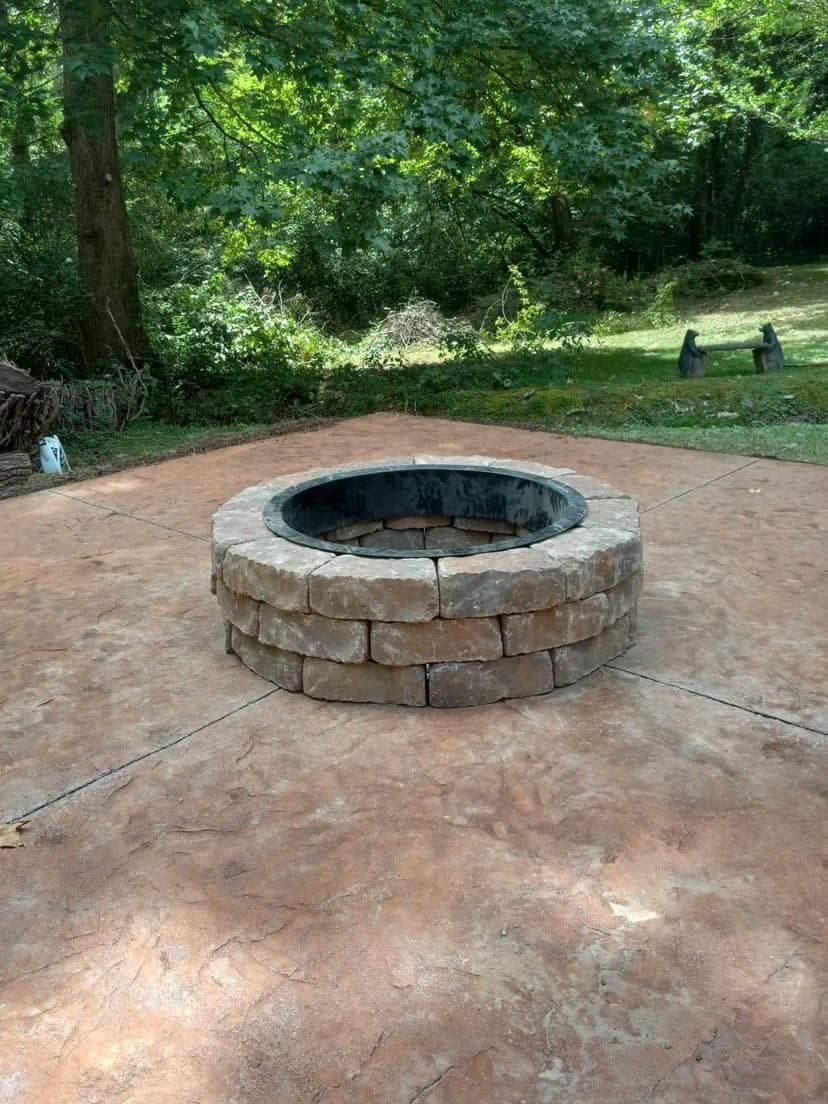
Applications include retaining walls that double as landscape features, columns supporting porch roofs or entry canopies, outdoor fireplaces and grills, privacy walls around patios, and structural additions to existing buildings. Material budgets vary widely—natural stone costs significantly more than standard block but offers unique appearance that manufactured products cannot replicate.
Questions Before Starting Your Project
Property owners considering masonry work typically ask about durability, material differences, and maintenance needs.
What causes mortar joints to deteriorate?
Mortar erodes when water enters cracks, freezes, and expands, gradually loosening the joint material, a process accelerated by poor initial mixing, improper curing, or using mortar formulations too hard or too soft for the masonry units.
How does natural stone differ from manufactured stone veneer?
Natural stone is quarried rock with inherent color variation and irregular shapes, while manufactured veneer is cast concrete molded to resemble stone but lighter and more uniform, making installation faster though without the authentic texture.
Can masonry be built during winter?
Cold temperatures prevent proper mortar curing, so masonry work in Newport typically pauses when overnight temperatures drop below freezing unless heated enclosures maintain working conditions.
How long does brick masonry last?
Brick structures routinely last a century or more when joints remain intact and water drains away from the wall, though repointing every few decades maintains weatherproofing as original mortar gradually erodes.
What maintenance does masonry require?
Periodic inspection for cracked joints and prompt repointing prevents minor deterioration from becoming structural damage, while keeping vegetation away from masonry prevents root intrusion and organic staining.
Out Of The Blue Concrete LLC matches masonry materials and techniques to your project's structural demands and aesthetic vision, whether you need load-bearing walls, decorative features, or repairs to existing work. Call (865) 201-9946 to review material options and receive a project estimate tailored to your property.
