Routes That Stay Level Where Ground Settles
Walkways, Pathways & Steps in Newport for safe pedestrian access after existing routes develop trip hazards
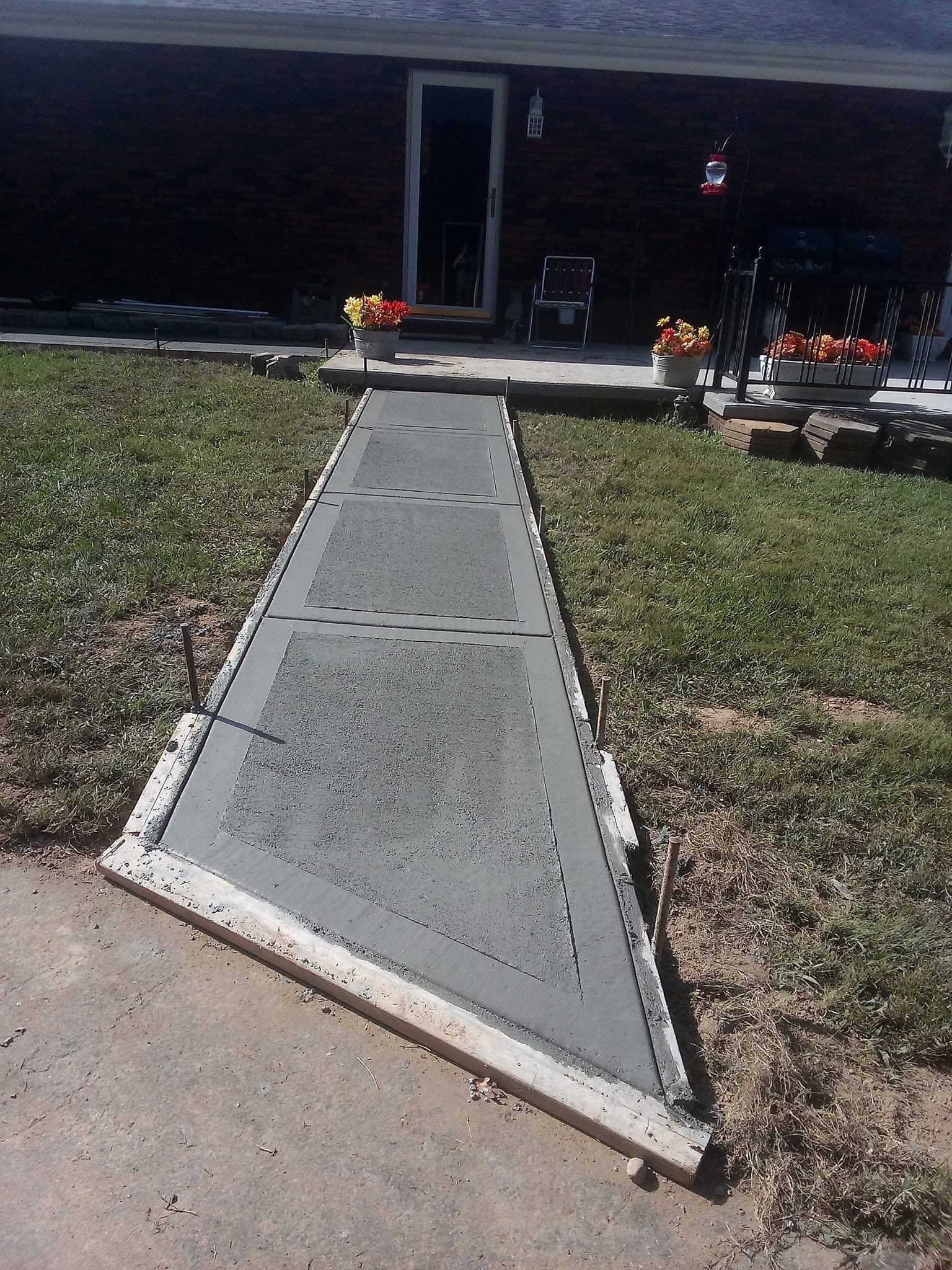
Uneven front entry walkways create liability concerns when sections settle at different rates and edges lift where tree roots grow underneath. The service addresses front entry walkways, garden paths, sidewalks, concrete stairs, and access routes that need replacement after years of ground movement and weather exposure. Out Of The Blue Concrete LLC installs stable surfaces throughout East Tennessee that maintain consistent elevation even when soil shifts beneath the slab.
Proper grading before concrete placement directs water away from walking surfaces so runoff doesn't pool on the pathway or erode soil along the edges. Thickness and reinforcement specifications depend on whether the route connects to a driveway where vehicles occasionally cross or remains dedicated to foot traffic.
Request a professional assessment to identify drainage corrections needed before new pathway installation.
What Changes After Proper Grading and Installation
Correct grading eliminates the standing water and ice patches that form when walkways slope toward the house or settle into low spots. The pathway sheds rain and snowmelt toward planted areas instead of channeling water against foundation walls. Textured finishes provide traction during wet conditions without creating rough surfaces that make snow removal difficult or catch shoe heels.
After installation, you'll walk on a level surface without watching for raised edges or sunken sections, entry stairs meet the walkway at a consistent height instead of creating a step-up where settlement occurred, and the concrete remains visible rather than disappearing under mud splashed up from pooled water. Decorative finish options improve curb appeal while maintaining the slip resistance required for safe pedestrian use.
Garden paths that wind through landscaped areas use different thickness specifications than front walkways supporting daily traffic, and commercial properties often require wider routes with specific ADA-compliant slope limits. Concrete stairs need careful attention to riser height consistency since even small variations create trip hazards.
Common Questions About This Service
Property owners planning pathway replacements ask about design options and performance requirements.
What width works for front entry walkways?
Residential entries typically use 36 to 48 inches to allow two people to walk side-by-side comfortably, while service paths and garden routes function well at 30 inches for single-file traffic.
How do you prevent walkways from settling like the old concrete did?
Base preparation involves removing unstable soil, compacting aggregate fill to create a firm foundation, and installing the slab thick enough to bridge minor ground movement without cracking.
When should steps be included instead of sloped walkways?
Grade changes exceeding six inches over a short distance work better as stairs with proper riser and tread dimensions rather than steep ramps that become slippery when wet.
What texture provides traction without being uncomfortable?
Light broom finishes create enough surface grip for wet conditions throughout the Lakeway Area climate while remaining smooth enough for comfortable walking and easy snow removal.
How do you match new walkways to existing driveways or patios?
The installation can align with current concrete edges and elevations, or deliberately create a visible transition using different finish textures if the new section uses upgraded materials or improved drainage design.
Out Of The Blue Concrete LLC evaluates your property's grading and traffic patterns before recommending pathway specifications. Arrange a site visit to discuss layout options and finish selections that improve both safety and appearance.
